heart and circulation
心脏、心跳、脉搏、血液、血压和血液循环。

医生仔细听着病人的心跳声。
The doctor listened carefully to the patient's ___heartbeat.

医生仔细给我把脉了。
The doctor checked my ___pulse carefully.

跑完步后我突然感到胸口一阵疼痛。
I felt a sudden ___pain in my chest after running.

当你感到兴奋或害怕时,心跳会加快。
The heart ___rate increases when you feel excited or scared.
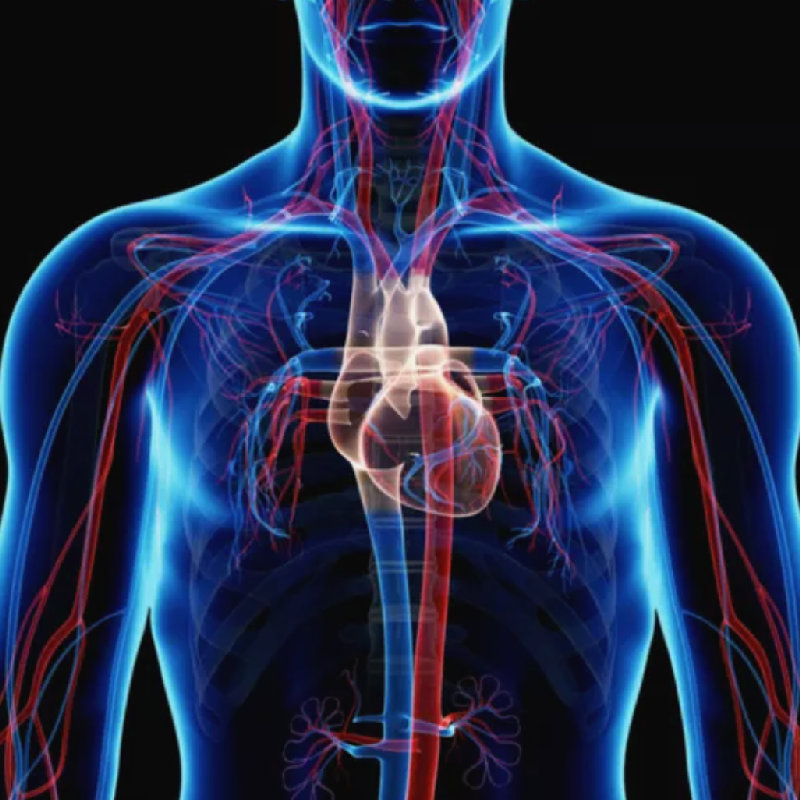
心脏不断地泵血到全身。
The heart ___pumps blood throughout the body continuously.

经常锻炼有助于保持你的心脏健康强壮。
Regular exercise helps keep your ___heart healthy and strong.
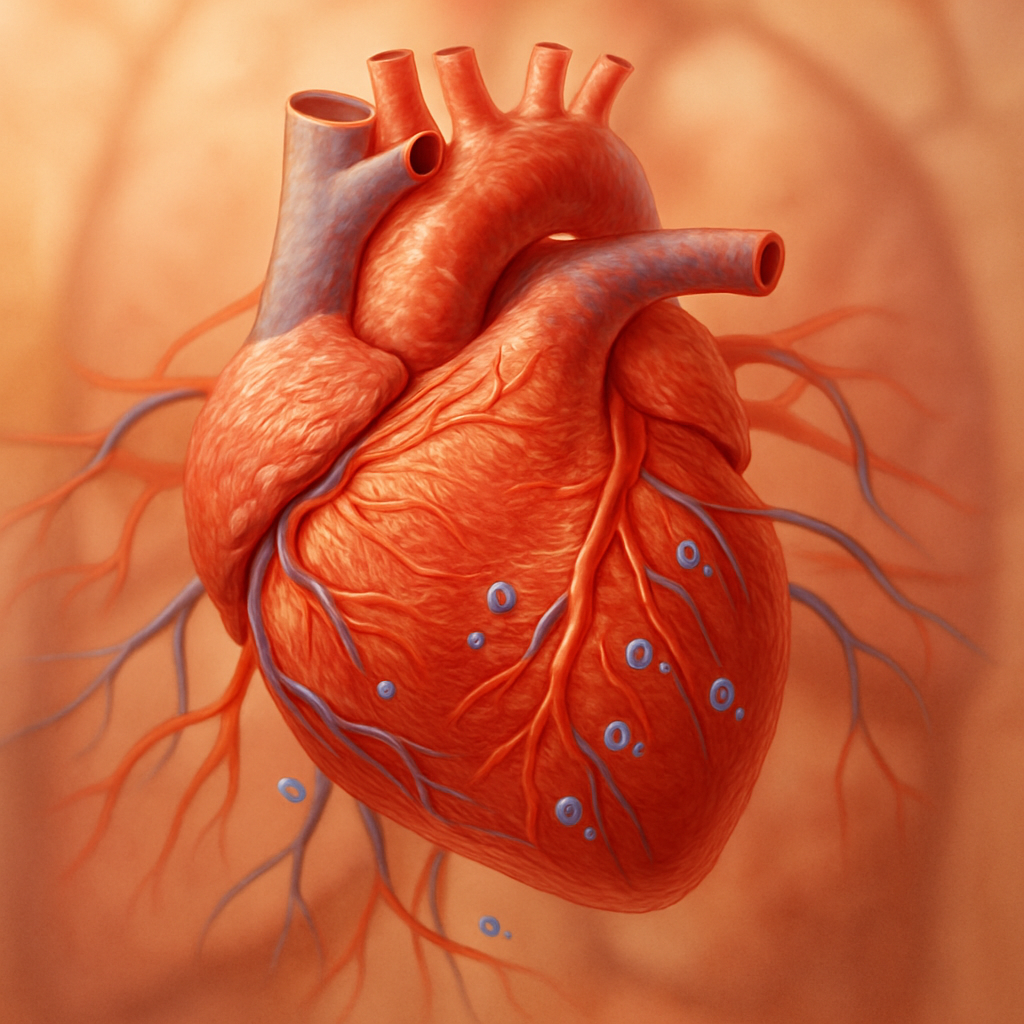
心脏把携带氧气的血液泵送到身体各个器官。
The heart pumps blood carrying ___oxygen to the body's organs.

压力会让心脏跳得比平时快。
Stress can cause the heart to ___beat faster than normal.

医生会听心脏的声音来检查是否有心律不齐。
Doctors listen to the heart to check for ___irregular ___beats.
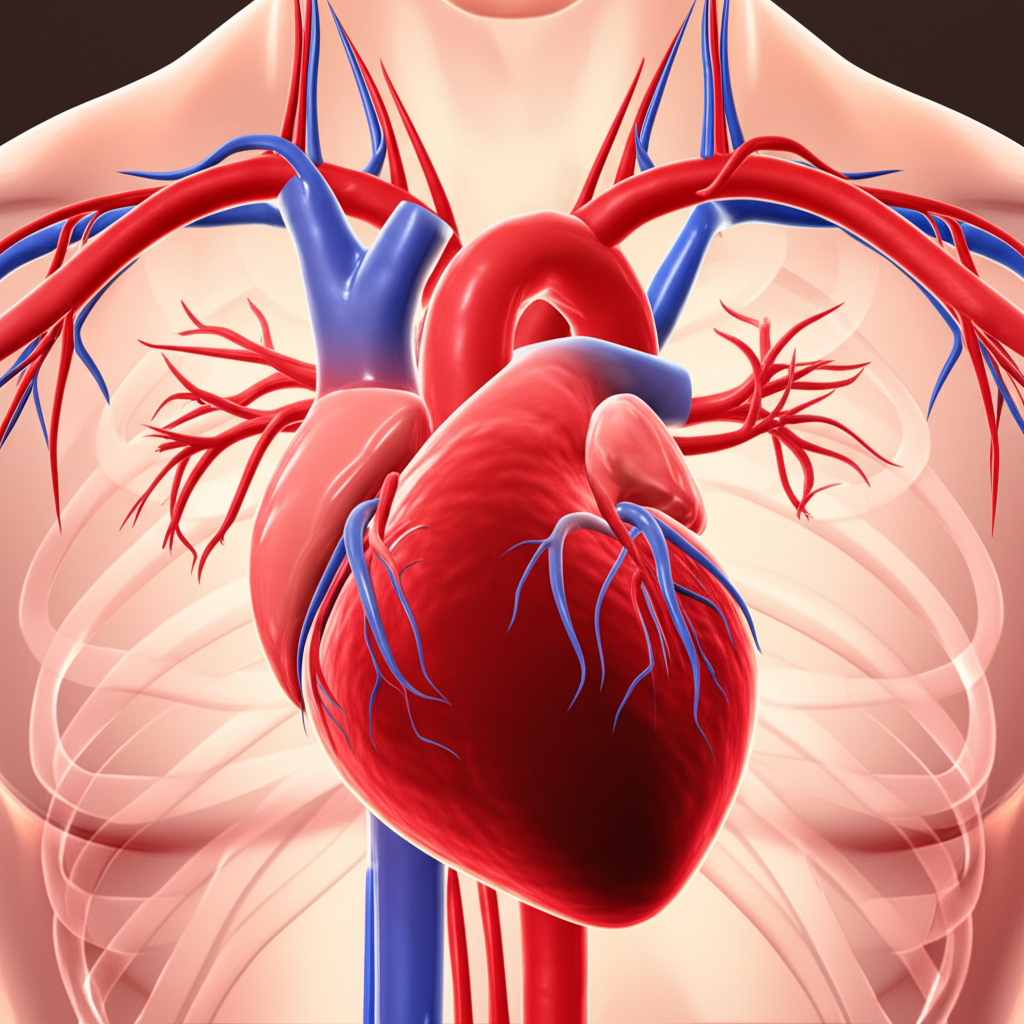
心脏不断地把血液泵送到全身。
The heart pumps ___blood throughout the body continuously.

定期体检可以及早发现心脏问题。
Regular ___check-ups can detect problems with the heart early.

当你感到兴奋或害怕时,心率会加快。
The ___heart ___rate increases when you feel excited or scared.

当你感到兴奋或害怕时,心脏跳动会加快。
The heart ___beats faster when you feel excited or scared.

健康的饮食可以降低患心脏病的风险。
A healthy diet can reduce the risk of ___heart ___disease.

高血压会随着时间给心脏带来负担。
High ___blood ___pressure can strain the heart over time.

患者接受了手术来修复受损的心脏瓣膜。
The patient underwent surgery to repair a damaged ___heart ___valve.
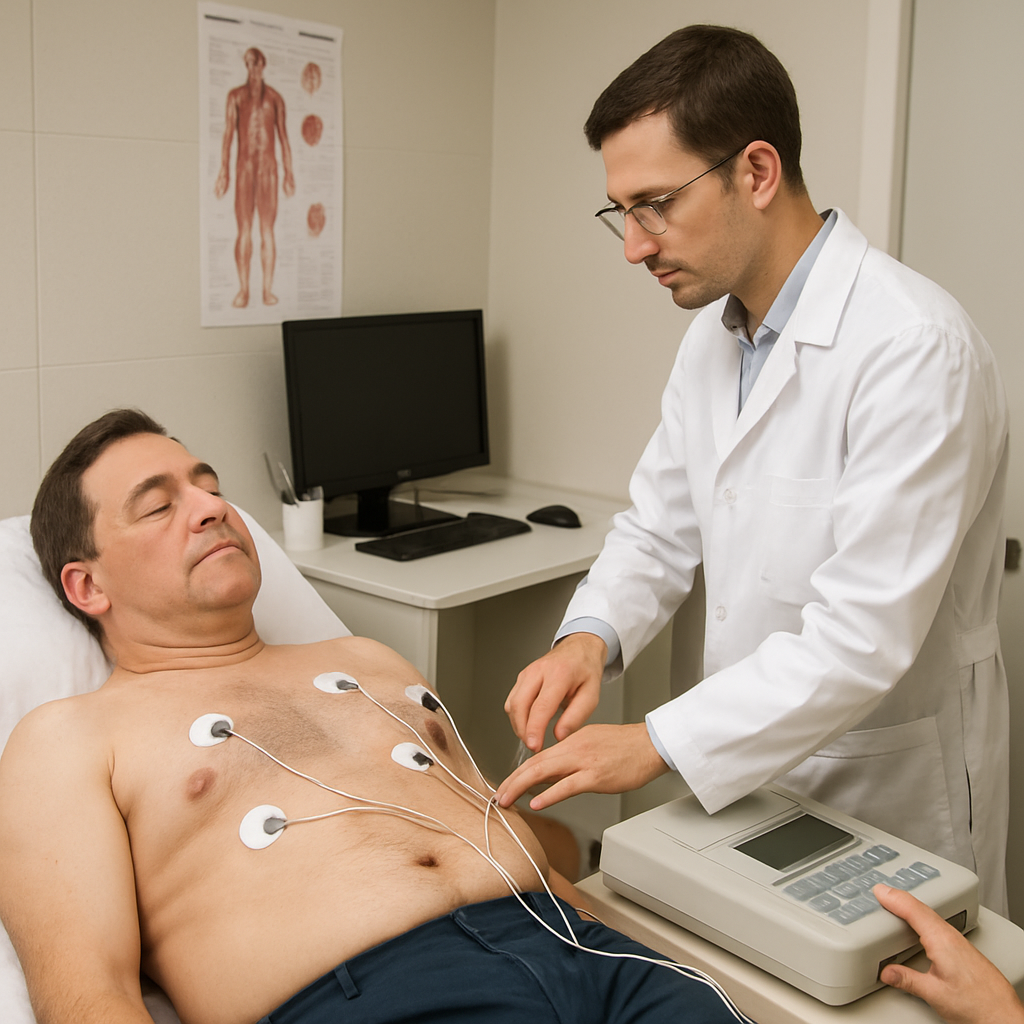
医生用心电图检查心脏的电活动。
Doctors use an ___ECG to check the heart's electrical activity.

胸痛可能是心脏问题的信号。
___Chest ___pain can be a sign of a heart problem.
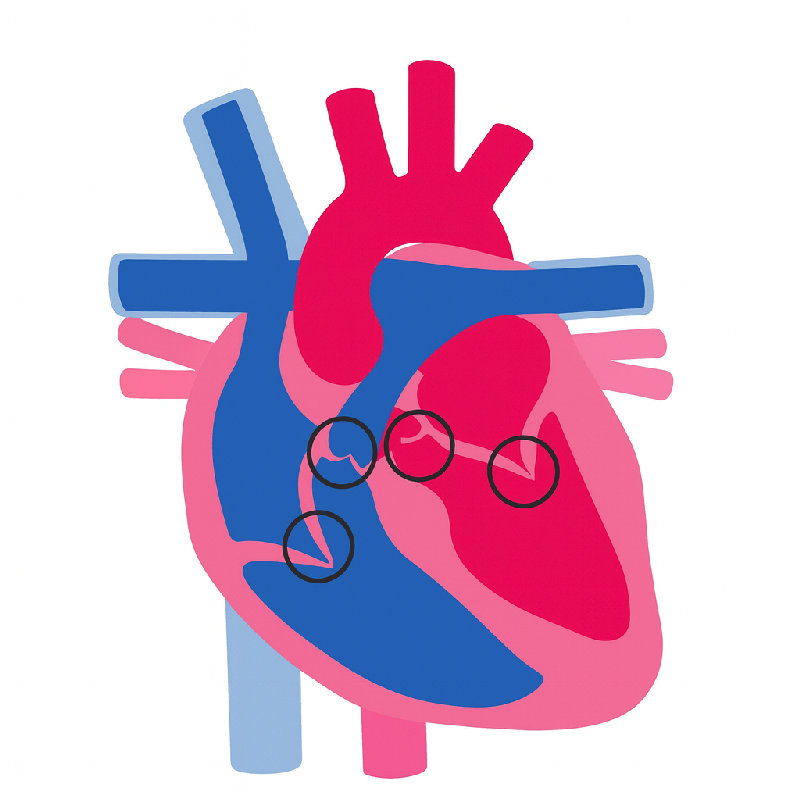
心脏里的瓣膜帮助控制血液流动的方向。
The ___valves in the heart help control blood flow direction.

过量的咖啡因可能会引发某些人的心律不齐。
Too much caffeine may trigger an ___irregular ___heartbeat in some people.
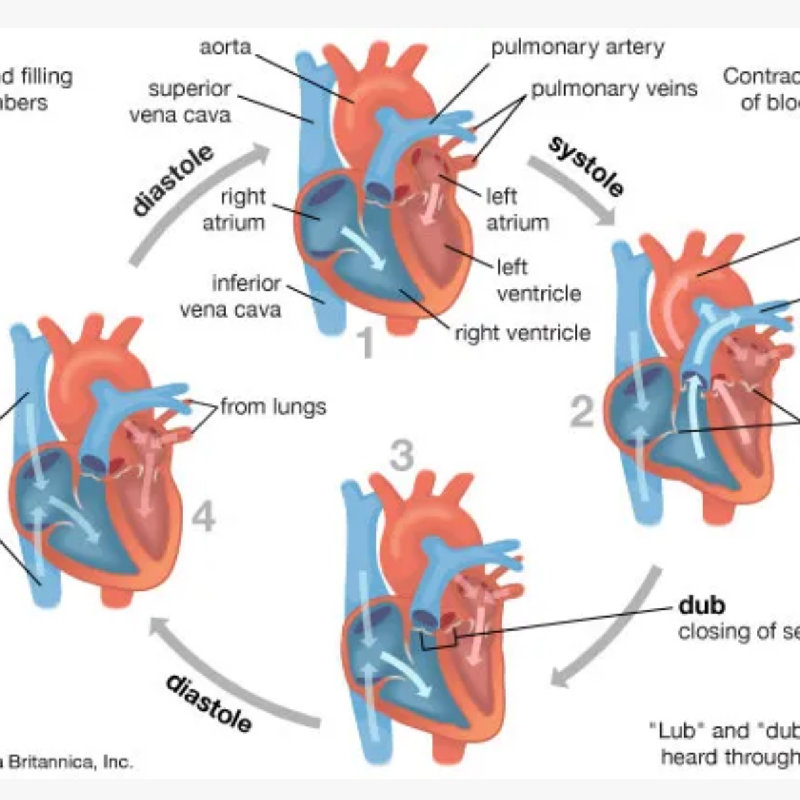
心脏通过收缩和舒张来推动血液循环。
The heart ___contracts and ___relaxes to pump blood through the body.
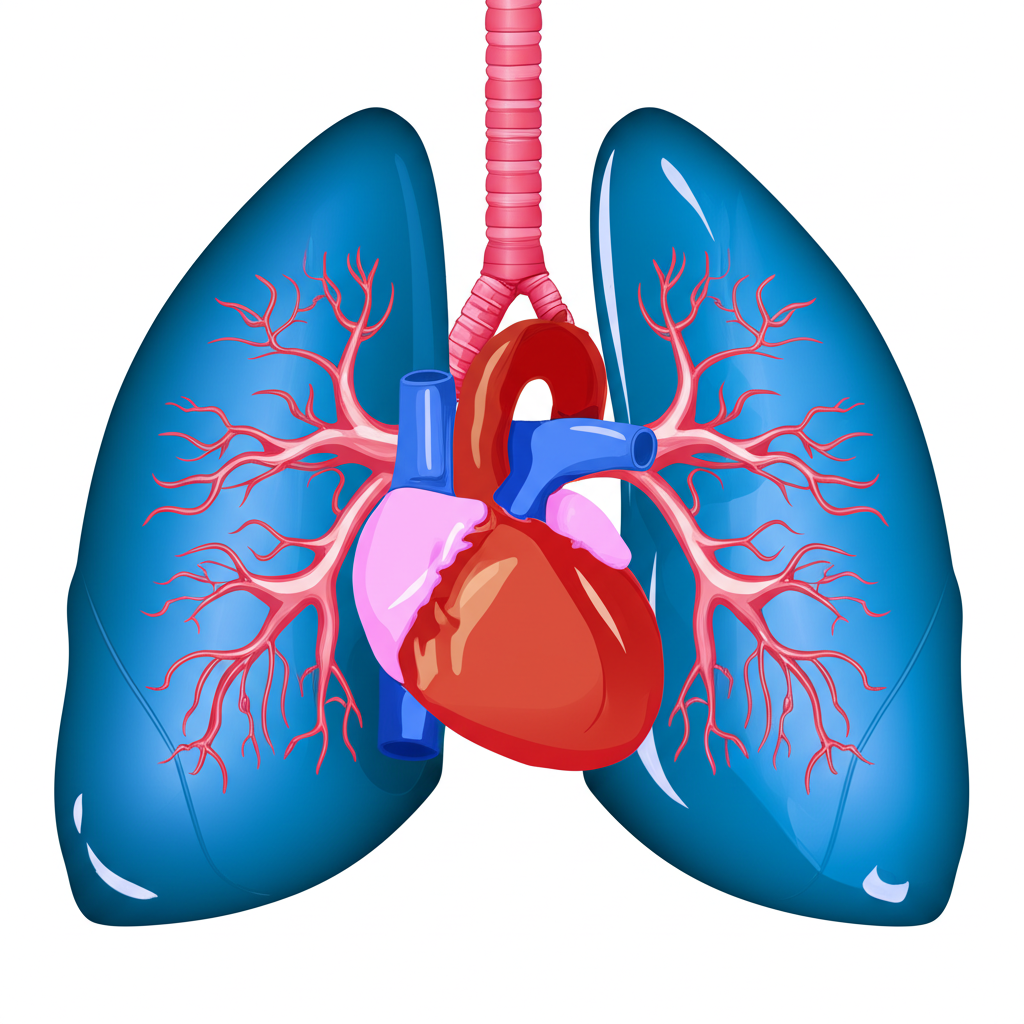
血液从心脏流向肺部,然后再返回心脏。
Blood flows from the heart to the ___lungs and then back again.
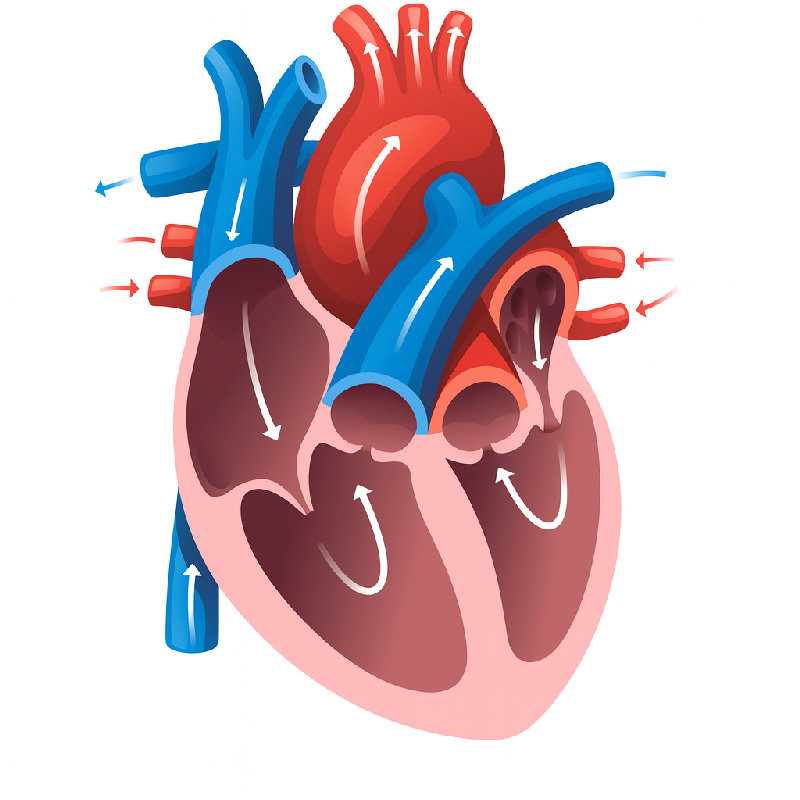
心脏由四个腔室组成。
The heart has four ___chambers.

医生发现患者的心律不规则。
The doctor found an ___abnormal ___rhythm in the patient's heart.

有时心脏会跳漏一拍。
Sometimes the heart ___skips a beat.
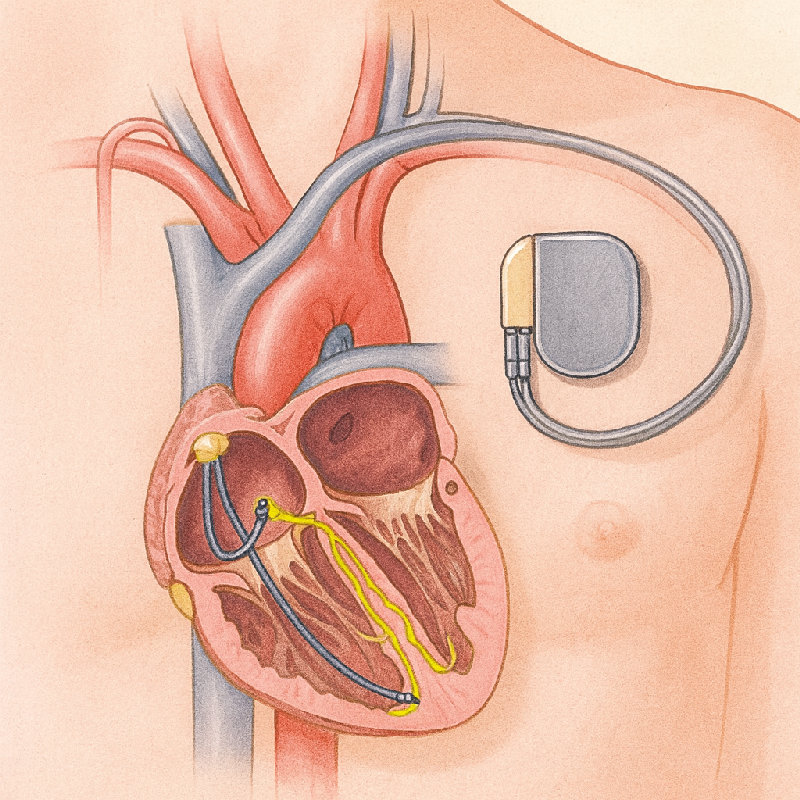
医生建议她装一个心脏起搏器。
The doctor suggested a ___pacemaker to help control her heartbeat.
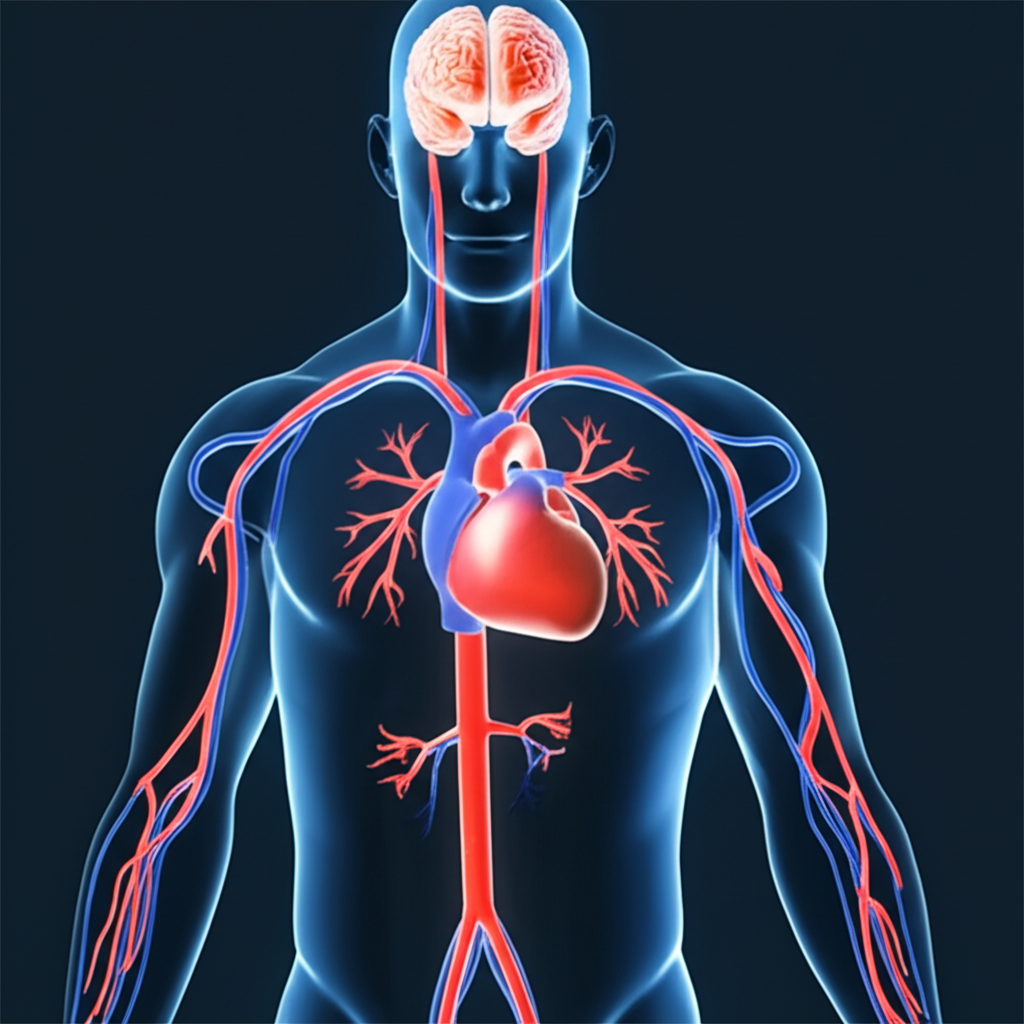
心脏把富氧血液送到全身。
The heart pumps ___oxygen-rich blood throughout the body.
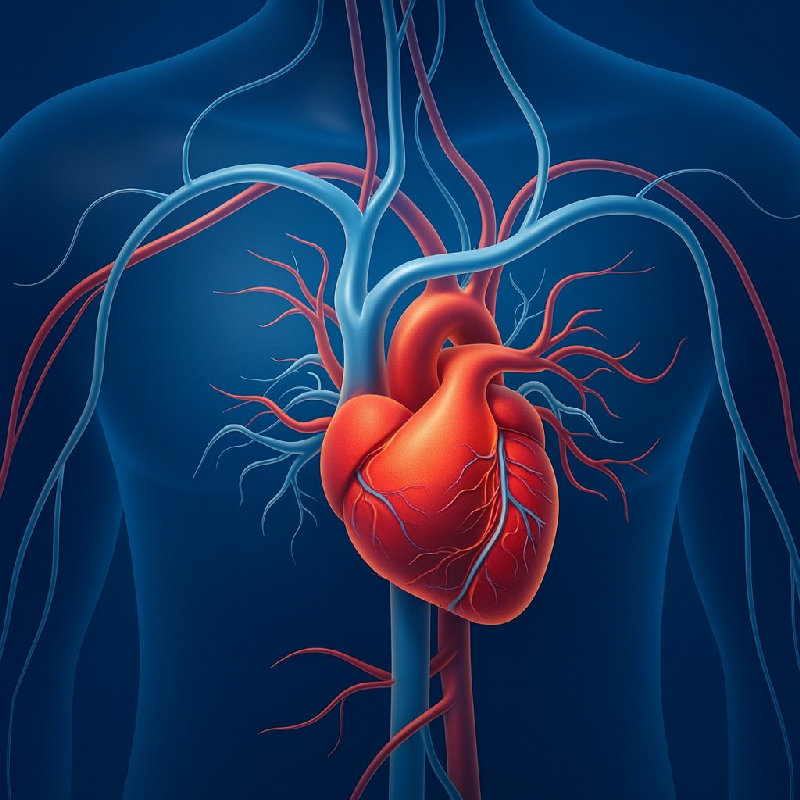
动脉把血液从心脏输送出去。
___Arteries carry blood away from the heart.
静脉将血液带回心脏。
___Veins bring blood back to the heart.
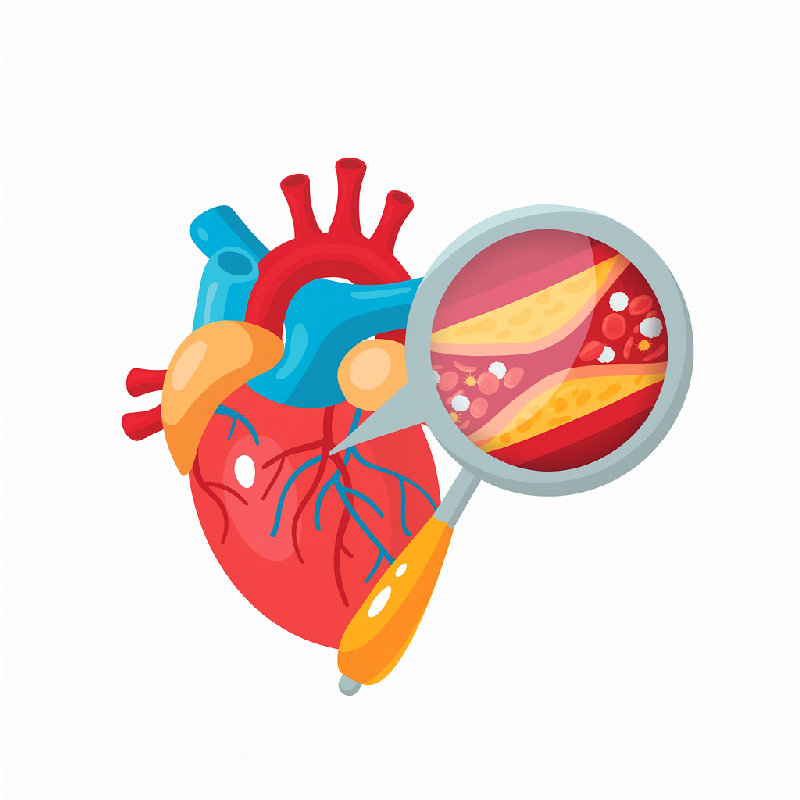
这名患者有冠状动脉阻塞。
The patient has a blocked ___coronary ___artery.

他突发了心脏病。
He had a ___heart ___attack.

她因心力衰竭住院了。
She was hospitalized for ___heart ___failure.
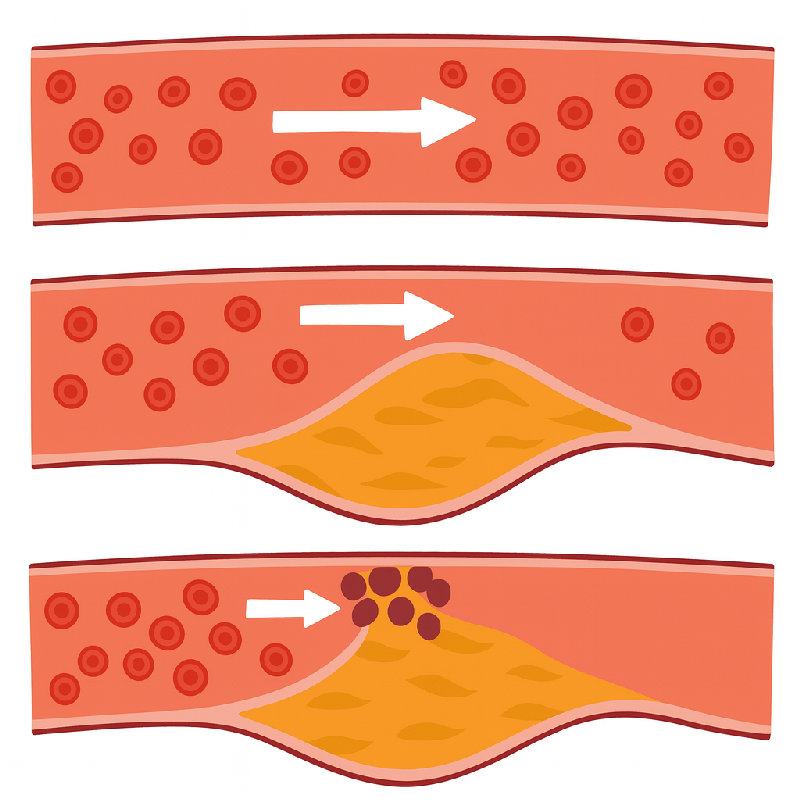
动脉中的斑块会增加心脏病风险。
___Plaque buildup in the arteries increases the risk of heart disease.

长期压力可能导致高血压。
Chronic ___stress can lead to high blood pressure.
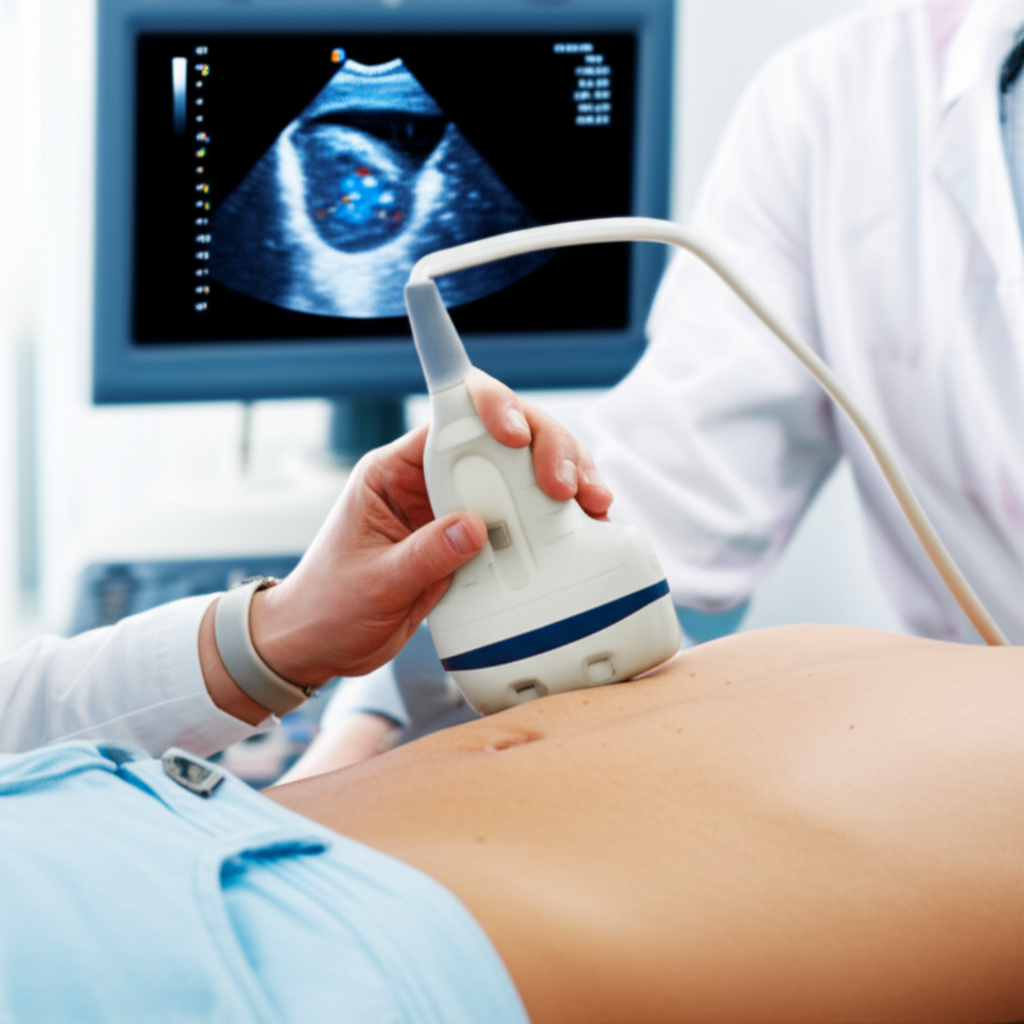
医生通过超声波检查心脏结构。
The doctor used an ___ultrasound to examine the heart's structure.

患者正在服用降压药。
The patient is taking ___blood ___pressure ___medication.
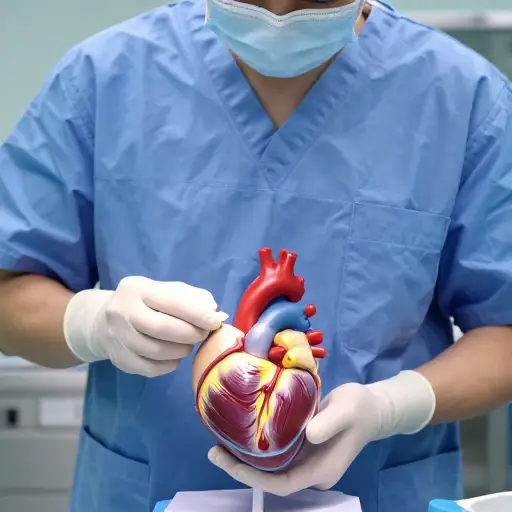
医生建议做搭桥手术。
The doctor recommended a ___bypass ___surgery.

她每天都要服用阿司匹林预防血栓。
She takes ___aspirin daily to prevent ___blood ___clots.