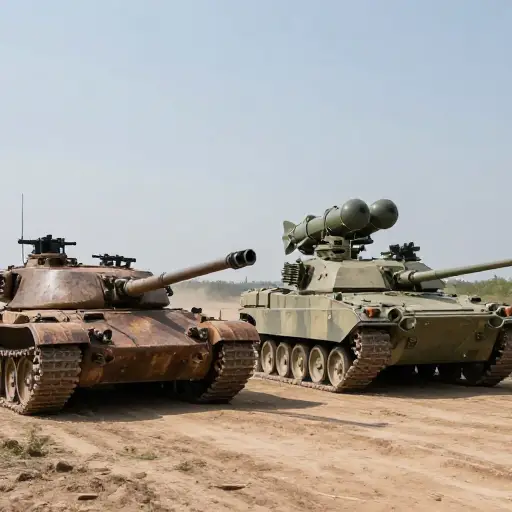
在直接对抗中,他们过时的装备远非我们现代化武库的对手。
In a direct confrontation, their outdated equipment would be no match for our modern arsenal.
▼点击显示答案
Be英 /biː/|美 /bi/
No英 /nəʊ/|美 /noʊ/
match英 /mætʃ/|美 /mætʃ/
for英 /fɔː/|美 /fɔr/
解释
would 是情态动词 will 的过去式,在这里表示假设情况下的可能性或结果。
be 是系动词原形,表示"是"或"存在"的状态。
no 是否定词,表示"没有"或"不"。
match 在这里是名词,意思是"对手"或"相配的东西"。
for 是介词,表示"对于"或"与...相比"。
would be no match for 这个短语整体表示"完全不是...的对手",强调在比较中处于绝对劣势。
In a direct confrontation, their outdated equipment would be no match for our modern arsenal.
would 是情态动词 will 的过去式,在这里表示假设情况下的可能性或结果。 be 是系动词原形,表示"是"或"存在"的状态。 no 是否定词,表示"没有"或"不"。 match 在这里是名词,意思是"对手"或"相配的东西"。 for 是介词,表示"对于"或"与...相比"。 would be no match for 这个短语整体表示"完全不是...的对手",强调在比较中处于绝对劣势。