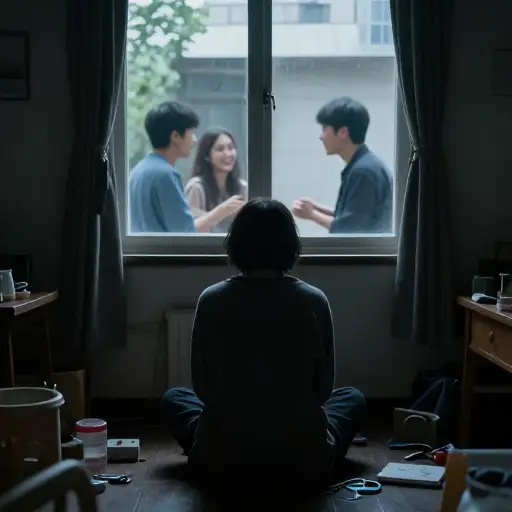
独处时间过长会让人变得对他人的需求麻木不仁。
Spending too much time alone can make a person insensitive to the needs of others.
▼点击显示答案
insensitive英 /ɪnˈsɛnsɪtɪv/|美 /ɪnˈsɛnsətɪv/
解释
in- 是常见的前缀,表示"否定"或"相反"的意思。
sen 来自拉丁词根 sentire,意思是"感觉"或"感知"。
sitive 是形容词后缀,表示"具有...性质的"或"倾向于..."。
insensitive 由这三个部分组成,字面意思是"不具有感知能力的",引申为"麻木的""不敏感的",指对他人感受或需求缺乏察觉和反应。
Spending too much time alone can make a person insensitive to the needs of others.
in- 是常见的前缀,表示"否定"或"相反"的意思。 sen 来自拉丁词根 sentire,意思是"感觉"或"感知"。 sitive 是形容词后缀,表示"具有...性质的"或"倾向于..."。 insensitive 由这三个部分组成,字面意思是"不具有感知能力的",引申为"麻木的""不敏感的",指对他人感受或需求缺乏察觉和反应。